 By
·
3 minute read
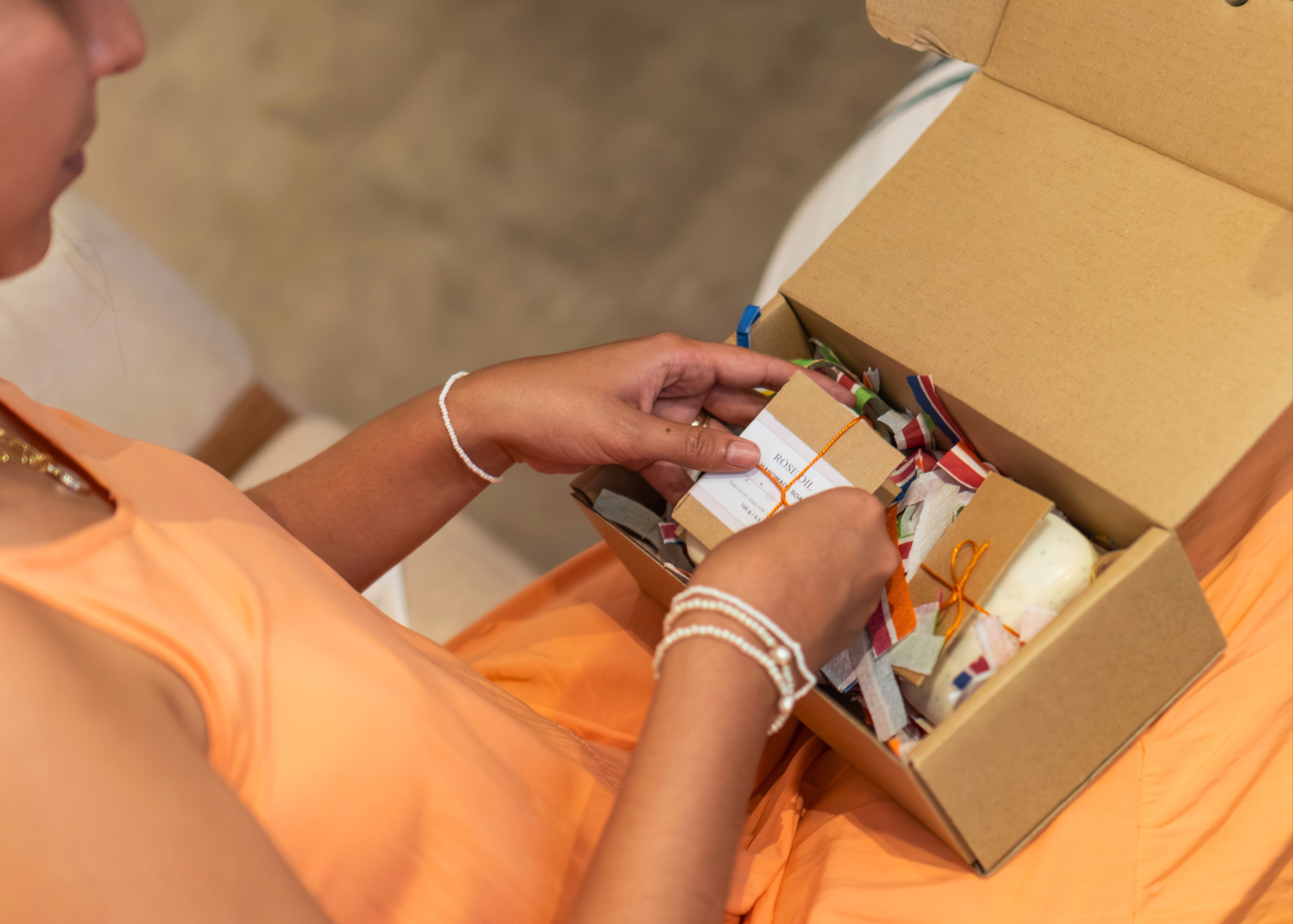
A ceramic planter, a glass candle, and a set of kitchen tools each need something different from their packaging. Fragile edges need cushioning. Multiple pieces need separation. Gift products need a presentation that feels considered from the moment the lid opens.
Custom packaging for home goods brings those needs together through product-specific sizing, protective inserts, and branded design. When planned carefully, it can also reduce unnecessary packing material while keeping protection at the center of the project.
How Does Custom Packaging Protect Home Goods?
Custom packaging is designed around a product’s dimensions, weight, vulnerable areas, and distribution method. The box and its interior components work together to limit movement and protect the product during handling, storage, and shipping.
For home goods brands, that starts with identifying what could go wrong. A mug’s handle may need clearance from the outer carton. Two glass candle jars need separation so they cannot strike each other. A finished wooden accessory may need protection against surface scratches.
Custom protective inserts can help hold items in position and create an organized presentation. Their design should account for how customers remove the product, too. A secure fit should still allow someone to unpack their purchase comfortably.
Before approving production, evaluate a sample with the actual product inside. Check fit, assembly, and removal, then discuss testing appropriate to the shipping environment.
For more on evaluating an existing packaging program, read how custom packaging can help reduce shipping damage and returns.
Choosing Between Corrugated and Rigid Setup Boxes
The right packaging format depends on where the product is going and how customers will encounter it.
Corrugated boxes offer custom sizing, printing, and structural options for shipping and retail applications. Rigid setup boxes provide a sturdy presentation format for gifts, specialty products, and premium retail packaging.
| Packaging option | Potential home goods applications | Design priority |
|---|---|---|
| Custom corrugated box | Online orders, wholesale shipments, home accessories | Product protection and efficient packing |
| Rigid setup box | Candle collections, kitchenware gifts, curated home sets | Presentation and product organization |
| Custom insert or divider | Glassware, ceramics, products with multiple components | Separation, support, and easy removal |
Some projects need both a presentation box and an outer shipping carton. Evaluate them together so the complete package fits correctly and provides the protection required for delivery.
Designing Home Goods Packaging With Sustainability in Mind
A useful sustainability discussion starts with specific decisions: how much material the package uses, what that material contains, and how customers can dispose of each component.
Match Box Size to Protection Needs
An oversized box can require extra void fill and take up unnecessary storage space. Review the product, insert, and outer carton together to find opportunities to reduce excess.
The goal is an efficient package that still protects the product. Removing cushioning or reducing board strength without evaluating performance can create new damage problems.
Ask About Recycled Content
Recycled content and recyclability describe different things. Recycled content refers to material recovered and used to make the package. Recyclability concerns what can happen to the package after use.
Ask your packaging supplier to confirm the material specification and any available recycled-content documentation before publishing a percentage claim.
Review the Complete Package
Evaluate inserts, wraps, coatings, labels, and other components alongside the box. Ask whether customers need to separate materials and what disposal instructions are appropriate for the finished design.
At Northwest Paper Box, our material and printing options include recycled-content substrates and water-based inks. We work with customers to match these options to the requirements of their packaging project.
Building Shelf Appeal and a Thoughtful Unboxing Experience
Home goods packaging should help customers understand the product and recognize the brand. Consistent colors, readable product information, and an organized interior can make the package easier to shop and more satisfying to open.
For example, a candle collection might use an insert to present each scent in order. A kitchenware gift set might include a clearly placed care guide. A ceramic accessory might pair simple exterior graphics with an interior that keeps the piece secure and easy to lift out.
Choose design details that serve the product and the customer. Consider how the packaging looks on a shelf, how it opens, and how easily someone can access instructions or identify individual pieces.
What to Prepare Before Ordering Custom Packaging
Bring the following information to your packaging partner early:
- Product samples and measurements: Include weight, fragile areas, and every component packed in the box.
- Sales channels: Explain whether orders ship individually, move through wholesale distribution, or go directly to retail shelves.
- Order quantities: Share initial needs and expected reorder volume.
- Budget: Consider the box, inserts, printing, tooling, packing labor, and freight.
- Launch schedule: Allow time for design, samples, testing, artwork approval, and production.
- Sustainability requirements: Identify recycled-content goals, sourcing documentation, and disposal information you need.
- Packing and storage needs: Review assembly time, available space, and seasonal demand.
If packing or inventory capacity is a concern, ask about fulfillment and inventory services during planning. Northwest Paper Box offers contract packaging and inventory support alongside its packaging products.
Frequently Asked Questions About Home Goods Packaging
What packaging should I use for fragile home goods?
Start with the product’s weight, shape, vulnerable areas, and shipping method. A corrugated carton with a fitted insert or divider may be a suitable starting point, but the complete package should be evaluated with the actual product.
Can custom packaging reduce packing material?
It can when improved sizing and interior support replace unnecessary void fill. Confirm that any material reduction maintains the protection your product needs.
Can a rigid setup box serve as the shipping box?
A presentation box should not automatically be treated as a shipping container. Review whether it needs an outer corrugated carton to protect both the product and the box’s finish during delivery.
Plan Your Next Home Goods Packaging Project
Northwest Paper Box develops custom corrugated boxes, rigid setup boxes, and protective inserts for businesses throughout Oregon, Washington, and Northern California, including the Portland and Seattle areas.
Whether you are launching a candle collection, preparing kitchenware for retail, or improving packaging for fragile décor, start with the product and the way it reaches your customer.
Request a custom packaging quote to discuss your product, quantities, timeline, and packaging goals.