
 By
·
2 minute read
By
·
2 minute read
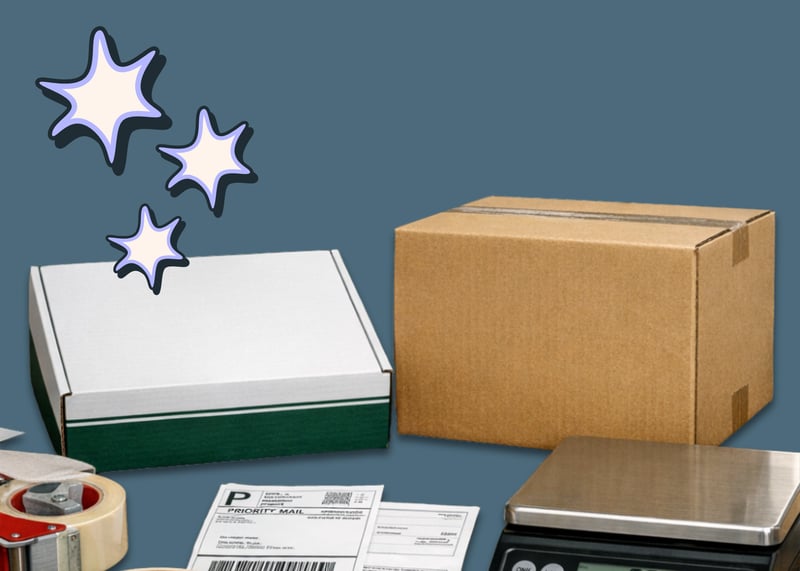
Define mailers vs shipping boxes and why the choice matters for DTC
To a customer on their porch, a box is just a box, or so they think. The decision between a mailer and a shipping box is one of the biggest levers you have for cost, protection, and brand experience.
Mailer boxes (self-locking, typically E- or B-flute corrugated) are made for direct-to-consumer shipments where presentation matters and products are relatively light and resilient. They assemble quickly with little to no tape and keep dimensional weight in check. Shipping boxes (usually regular slotted containers (RSCs)) are the workhorses of the supply chain. They handle weight, stacking, multiple SKUs, and rougher handling better, at the cost of more material and a bit more time to pack. The challenge for growing ecommerce brands is knowing when each format truly earns its keep.
The right choice for your brand also depends on your SKUs, carriers, storage space, and how your team actually packs orders in the warehouse.
Evaluate cost, protection, branding, and ops tradeoffs through real scenarios
Once you’ve mapped the high-level differences, put them to work in specific scenarios. That’s where the “mailer vs shipping box” question gets real. Start with light, resilient SKUs. Apparel, soft goods, and small accessories often ship best in mailers, especially when you care about doorstep presentation.
For recurring subscription shipments or welcome kits, a branded mailer can carry your story while still protecting tees, socks, or pamphlets without over-packing.
Next, consider heavier or more fragile assortments. Mixed glass jars, bottles, or dense hardware rarely belong in a basic mailer. Here, a regular slotted container (RSC) with inserts or dividers almost always wins.
Layer in cost and carrier rules. Mailers usually win on postage and material cost for small, light orders because they use less fiber and stay under key dimensional-weight thresholds. But once you add void fill, dunnage, or secondary cartons to save fragile products inside a mailer, the equation can flip quickly.
Shipping boxes provide better stacking strength, easier pallet patterns, and more room for inserts. All of which can reduce damage and freight on higher-value orders. Finally, think about storage and ops. How many SKUs can your team realistically manage on the line?
Standardize decisions so every shipment uses the right box for the job
To make these tradeoffs manageable day to day, turn them into a simple decision framework your team can actually use. Begin by creating a short matrix for your top product families. Across the top, list your preferred pack options: small mailer, medium mailer, small RSC, large RSC, maybe one rigid setup gift solution. Down the side, list product profiles: single-unit apparel, mixed beauty sets with glass, heavy wholesale cases, influencer kits with rigid boxes.
In each cell, note your default choice (mailer or shipper) and any exceptions such as: “use RSC for more than three jars” or “mailer only for domestic PNW zones.” Support that matrix with clear thresholds. For example, specify that any order over a certain weight or containing glass always uses a shipping box, regardless of item count.
Next, document the operational implications. Note which formats assemble fastest, which require tape or label placement changes, and where you rely on inserts or branded wraps to deliver the unboxing moment. If you’re partnering with Northwest Paper Box for fulfillment, build these preferences into your SOPs and WMS so packers see the right carton recommendations at pick/pack.
Finally, revisit your framework as your assortment and channels evolve. New fragile gift sets or heavier multi-packs may justify a new RSC size; lighter bundles might let you consolidate two mailer SKUs into one. Use real data like damage rates, freight spend, and customer feedback to refine what goes in mailers versus shipping boxes. Over time, that living framework will give your team confidence that every shipment is using the right corrugated solution for the job, protecting both the product and your margins.