
 By
·
2 minute read
By
·
2 minute read
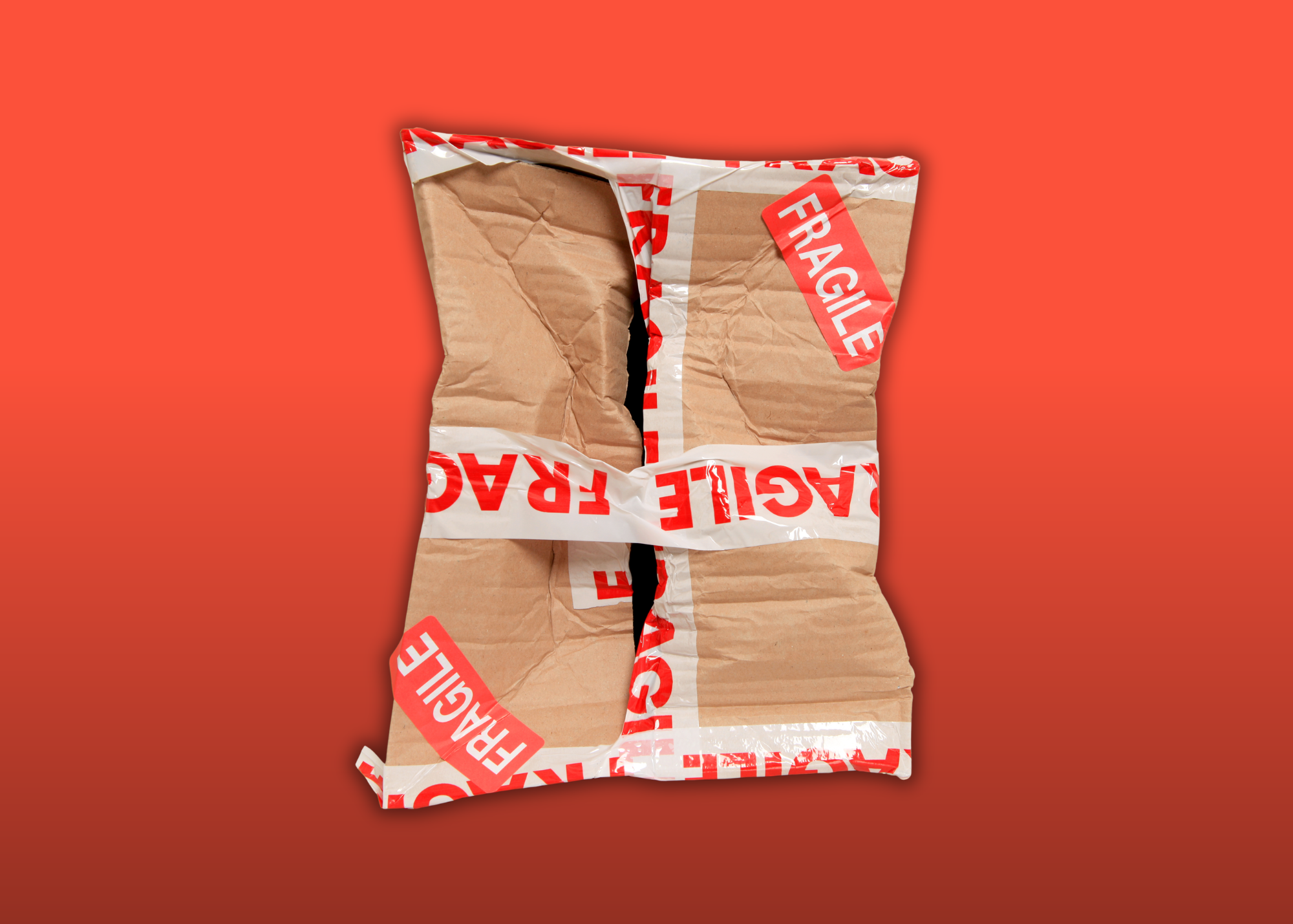
If you’re a distributor handling mixed products, you already know:
Mixed SKU shipments are where packaging failures happen most.
Different sizes. Different weights. Different fragility levels.
And when your corrugated cartons for mixed shipments aren’t optimized, you get:
- Damaged product
- Inefficient packing
- Higher freight costs
- Frustrated customers
This guide breaks down the 10 most common failure points, and exactly how to fix them.
1. Wrong Carton Size (Too Much Void Space)
The problem:
Oversized cartons allow products to shift during transit.
What happens:
- Items collide
- Breakage increases
- Presentation is ruined
Fix:
- Right-size cartons based on carton sizing and assortment
- Use multiple box SKUs instead of “one-size-fits-all”
- Add inserts where needed
2. Undersized Cartons (Overpacking)
The problem:
Trying to force too many SKUs into a small box.
What happens:
- Sidewall bulging
- Structural failure
- Difficult sealing
Fix:
- Match carton size to SKU mix, not just volume
- Leave room for proper cushioning
- Avoid exceeding structural limits
3. Weak Board Strength (Incorrect ECT)
The problem:
Using cartons that aren’t strong enough for mixed loads.
What happens:
- Crushing during stacking
- Collapsed boxes in transit
Corrugated boxes are designed to handle compression and stacking loads, but only when the correct board strength is selected
Fix:
- Upgrade ECT (Edge Crush Test) rating
- Consider double-wall for heavier mixed SKUs
- Match board strength to stacking conditions
4. No Internal Organization
The problem:
Throwing mixed SKUs into a box without structure.
What happens:
- Movement during transit
- Product damage
- Inefficient packing
Fix:
- Use partitions or inserts
- Separate fragile vs heavy items
- Design for mixed SKU packaging, not single-product loads
5. Poor Weight Distribution
The problem:
Heavy items placed on top or unevenly distributed.
What happens:
- Crushing of lighter items
- Carton imbalance
- Increased damage risk
Fix:
- Pack heavier items at the bottom
- Balance weight across the carton
- Train packing teams on load distribution
6. Ignoring Transit Conditions
The problem:
Packaging is designed for storage, not shipping.
What happens:
- Damage from vibration, drops, and handling
Corrugated packaging must withstand shock, vibration, and handling stress across distribution environments
Fix:
- Design for real-world conditions:
- LTL shipping
- Pallet stacking
- Mixed freight
7. Over-Reliance on Void Fill
The problem:
Using excessive dunnage instead of proper structure.
What happens:
- Increased costs
- Inconsistent protection
- Slower packing
Fix:
- Use structural inserts instead of filler
- Optimize packaging design upfront
- Reduce reliance on manual packing fixes
8. Inconsistent Carton Selection
The problem:
Different packers choosing different boxes for the same SKU mix.
What happens:
- Lack of standardization
- Variable performance
- Increased errors
Fix:
- Standardize carton options by SKU combinations
- Create packing SOPs
- Use defined packaging systems
9. Poor Sealing Methods
The problem:
Improper taping or sealing under mixed loads.
What happens:
- Cartons open in transit
- Load failure
Fix:
- Use correct tape width and application
- Reinforce heavier loads
- Consider automated sealing where possible
10. No Packaging Optimization Strategy
The problem:
Packaging decisions are reactive.
What happens:
- Higher costs
- More damage
- Operational inefficiency
The Fix: Packaging Optimization for Distribution
Most regional distributor shipping challenges come down to one issue:
You’re only buying cartons, not designing a packaging ecosystem.
What Optimization Looks Like:
✔ Defined carton sizes for SKU combinations
✔ Engineered strength based on load + transit
✔ Standardized packing methods
✔ Reduced damage + freight costs
Why Mixed SKU Loads Are Different
Unlike single-product shipments, mixed loads require:
- Flexibility
- Structural support
- Smart assortment planning
Corrugated packaging is highly customizable and can be engineered for specific distribution and product requirements
But only if it’s designed that way.
Final Takeaway
If your cartons are failing, it’s not just a box problem.
The best-performing distributors don’t:
- Guess carton sizes
- Overuse filler
- React to damage