
 By
·
3 minute read
By
·
3 minute read
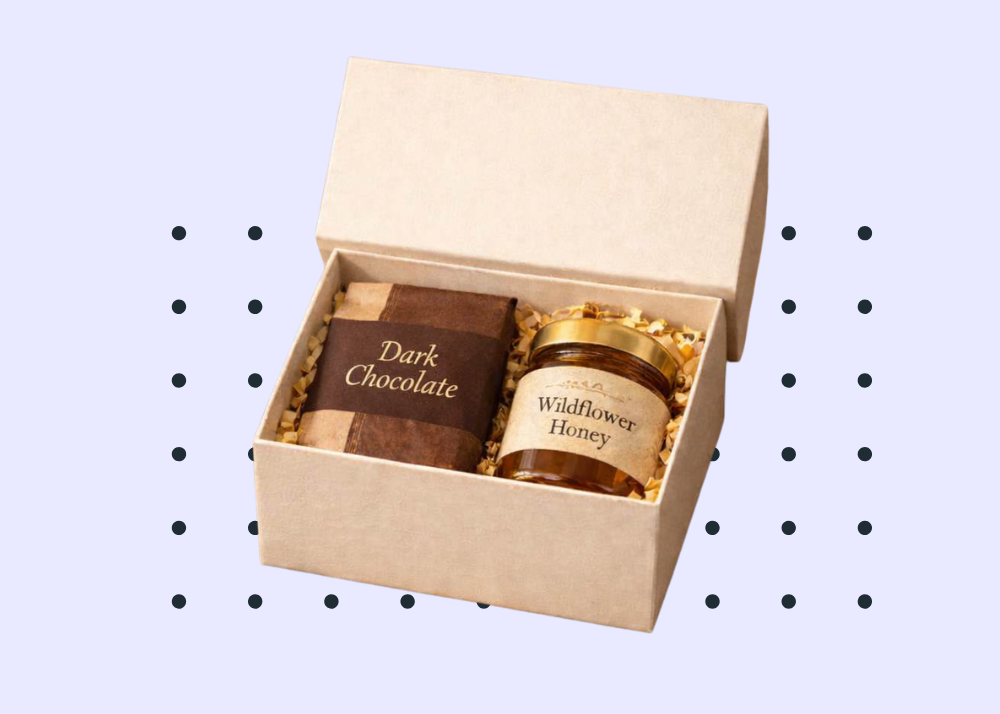
Plan rigid setup boxes that feel premium, protect gifts, and support sustainability.
Clarify your gift program, assortments, and sustainability goals
Regional gift brands (from specialty grocers and coffee roasters to makers of jams, chocolates, and wellness kits) rely on packaging to do more than just hold product! The box has to signal provenance, feel worthy of gifting, survive complex shipping paths, and increasingly align with real sustainability goals.
For many of these brands, rigid setup boxes are the right stage: they communicate weight and care the moment someone lifts the lid. Done well, rigid gift packaging feels like an extension of your landscape and story rather than a generic luxury shell. That starts with clarifying what your box needs to do. Are you building a year‑round sampler for wholesale shelves, a mail‑order gift program for holidays, or limited‑run collaborations with other Pacific Northwest makers?
Each use case drives different decisions on size, board caliper, wrap materials, and inserts. Take stock of your core assortments. List which items often appear together: coffee and mug sets, cheese and charcuterie pairings, self‑care rituals, or mixed product samplers. Note which components are fragile, heavy, or prone to leaking, and how far they typically travel. This exercise tells you whether you need one flagship box style with modular inserts, or a small family of rigid boxes tuned to different price points and channels.
As you plan, ground your sustainability story in specifics, not just the basic adjectives like "green" or "eco-friendly". In Portland and Seattle, consumers are looking for a real dedication. Aim for recycled content and responsibly sourced fibers where possible, and avoid unnecessary plastic laminates that complicate recycling.
Design the unboxing and structure around regional gift assortments
With your product mix defined, you can start engineering the structure and unboxing experience. For regional gift brands, rigid setup boxes shine when they feel generous without being wasteful, protect a mix of weights (glass bottles, jars, delicate confections), and guide the recipient’s eye through a story. Start with the tray and lid geometry. Common shoulder‑neck or classic telescope constructions both work well for multi‑item assortments.
The tray height should comfortably clear the tallest product plus any protective top pad, while the lid should drop low enough to feel secure without creating friction that frustrates opening. Build white dummies and load actual product to confirm that nothing rattles, rubs against the lid wrap, or telegraphs through the paper.
Next, design your inserts with the Northwest Paper Box design team. Paper‑based platforms and dividers can do almost everything foam once did, while better matching your sustainability story.
For example, a coffee‑and‑chocolate gift set might use a die‑cut chipboard platform that raises bags and bars up so labels are visible, with side rails that hold a small printed story card. Chipboard partitions and risers keep jars from clinking and maintain a level top plane under the lid.
The International Safe Transit Association (ISTA) outlines test procedures that simulate real‑world shock and vibration; their "getting started" resources are a helpful reference when you’re deciding how robust inserts need to be for parcel or freight distribution: ISTA design & testing overview. Print and finishes should support, not overpower, your regional story. Lean on textured, uncoated wraps that echo natural materials (linen, kraft, subtle fibers) and use spot foil or emboss selectively for logos or key place‑based cues (a mountain line, river, or map).
Turn your rigid box program into a sustainable asset
Once your rigid box program is up and running, treat it as a long‑term asset rather than a one‑off project. The most successful regional gift brands document their specs, track performance, and keep improving how packaging supports both sustainability and sales.
Begin with a clear spec sheet for each box: board caliper, wrap paper weight and finish, insert materials, adhesives, lid and tray dimensions, and packed weights. Include any certifications you’re claiming, such as FSC or recycled content, with supplier documentation attached.
Measure real‑world performance each season. Track damage in transit (broken glass, scuffed wraps, crushed corners), customer comments about packaging, and warehouse handling feedback. If certain assortments consistently push the limits of your current board or insert design, adjust calipers or cavity geometry while looking for offsetting material reductions elsewhere.
For end‑of‑life, consider adopting a standardized labeling system so recipients know how to dispose of each component; the How2Recycle program’s guidelines provide a practical framework for communicating recyclability on paper‑based packaging: How2Recycle guidelines. Over time, you can extend a successful rigid box architecture across new seasonal themes and regional collaborations, swapping artwork and inserts while keeping the underlying tooling and sustainability profile consistent. That kind of repeatable platform lowers your per‑unit cost and lets you tell the Pacific Northwest story beautifully year after year.