
 By
·
3 minute read
By
·
3 minute read
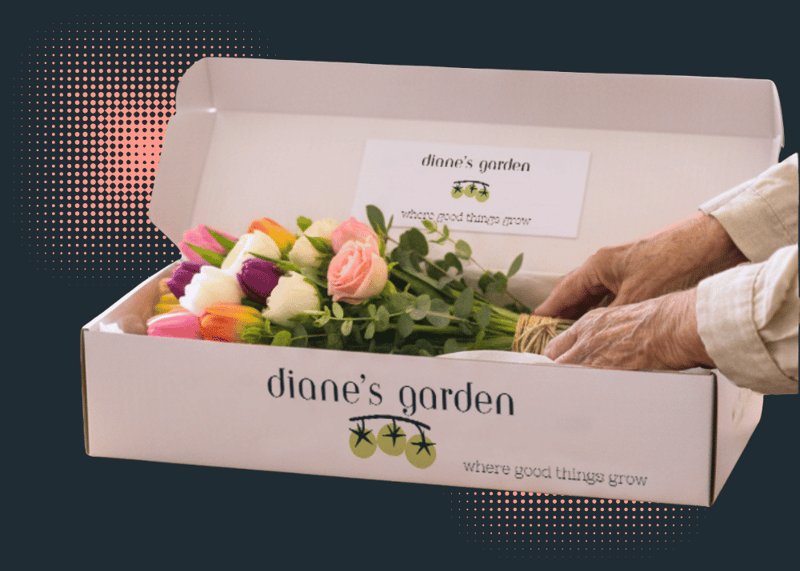
Discover how custom-printed corrugated packaging protects your garden products, elevates your brand, and supports sustainability.
Weather-Resistant Protection That Keeps Garden Products Safe
Garden products face unique shipping challenges that standard packaging simply can't handle. Between moisture exposure during transit, temperature fluctuations in distribution centers, and the physical weight of soil, ceramic pots, and metal tools, your products need packaging engineered to withstand real-world conditions.
Custom corrugated packaging for nursery products delivers weather-resistant protection through strategic board-grade selection and moisture-resistant coatings. For growers and distributors in regions like the Pacific Northwest where rain is a daily reality, choosing the right flute configuration and water-resistant barrier makes the difference between products that arrive pristine and those that show up soggy and damaged. Heavier items like bagged soil or potted plants require higher-grade corrugated board with reinforced edges, while delicate seedlings benefit from cushioned inserts that absorb shock without adding excessive dimensional weight.
The real advantage? Custom corrugated boxes can be engineered with ventilation holes for live plants, drainage-friendly designs for potted goods, and reinforced corners for heavy garden tools... All while maintaining structural integrity through multiple handling points. When your packaging is designed specifically for the rigors of garden product logistics, you reduce damage claims, cut down on costly returns, and ensure your customers receive products in the condition you intended.
Custom Branding That Grows Your Garden Business
In a market flooded with generic brown boxes, custom-printed corrugated packaging transforms every shipment into a brand-building opportunity. Garden retailers and nursery businesses understand that the unboxing experience matters as your packaging is often the first physical touchpoint customers have with your brand, and it sets expectations for everything inside. A well-designed printed corrugated box communicates quality, professionalism, and attention to detail.
Flexographic printing options give you the flexibility to showcase vibrant botanical graphics, share planting instructions directly on the box, or reinforce your sustainability story with messaging about recyclable materials. For subscription garden box services or seasonal product launches, custom printing lets you create limited-edition designs that build excitement and encourage social sharing. Think of your packaging as silent marketing that travels from your facility to retail shelves to customer doorsteps, each impression reinforcing brand recognition without additional advertising spend.
Beyond aesthetics, strategic branding on corrugated packaging helps garden centers and distributors stand out in crowded fulfillment warehouses and retail environments. Clear product identification, SKU information, and handling instructions printed directly on boxes speed up logistics and reduce picking errors. When your brand is visible and recognizable at every touchpoint (from the loading dock to the front porch) you're not just shipping products. You're cultivating customer loyalty and positioning your business as a trusted partner in every growing season.
Sustainable Packaging Solutions That Support Your Green Mission
Let's be honest: if you're in the garden and nursery business, sustainability isn't just a buzzword anymore. Your customers care about environmental impact, and they expect packaging choices that align with the green values your products represent. Custom corrugated packaging offers one of the most genuinely sustainable solutions available, with corrugated materials boasting a 99% recyclability rate and the ability to be manufactured from renewable resources.
Unlike plastic alternatives that end up in landfills or require complex recycling processes, corrugated boxes integrate seamlessly into existing curbside recycling programs. Water-based inks and aqueous coatings maintain recyclability while still delivering bold, beautiful graphics. For garden businesses committed to reducing their carbon footprint, choosing locally produced corrugated packaging cuts transportation emissions and supports regional manufacturing is a story worth telling to eco-conscious consumers.
The sustainability advantage extends beyond materials to design efficiency. Right-sized custom corrugated boxes reduce excess packaging material, minimize void fill requirements, and optimize pallet utilization. When you can truthfully claim your packaging is recyclable, made from renewable materials, and designed to eliminate waste, you're not greenwashing, you're backing up your green mission with credible, measurable actions. That authenticity resonates with garden enthusiasts who view their purchasing decisions as votes for the kind of world they want to grow.
Specialized Features That Solve Unique Garden Product Challenges
Garden products present packaging challenges that generic solutions simply can't address. Live plants need ventilation without compromising box strength. Glass terrariums require immobilization to prevent shifting during transit. Liquid fertilizers demand leak-proof barriers and clear hazmat labeling. Seed collections benefit from custom dividers that organize varieties and prevent mixing. The beauty of custom corrugated packaging is the ability to engineer specialized features that solve these exact problems.
Die-cut inserts and partitions transform a standard box into a purpose-built shipping solution. Custom corrugated dividers separate fragile ceramic pots, while molded fiber inserts cradle delicate garden ornaments through multiple handling points. Tear strips and peel-and-seal closures make boxes easy for customers to open without damaging contents. Ventilation slots keep living plants healthy during transit while maintaining structural integrity. These aren't luxury additions; they're strategic design choices that reduce damage rates, minimize returns, and protect your profit margins.