 By
·
4 minute read
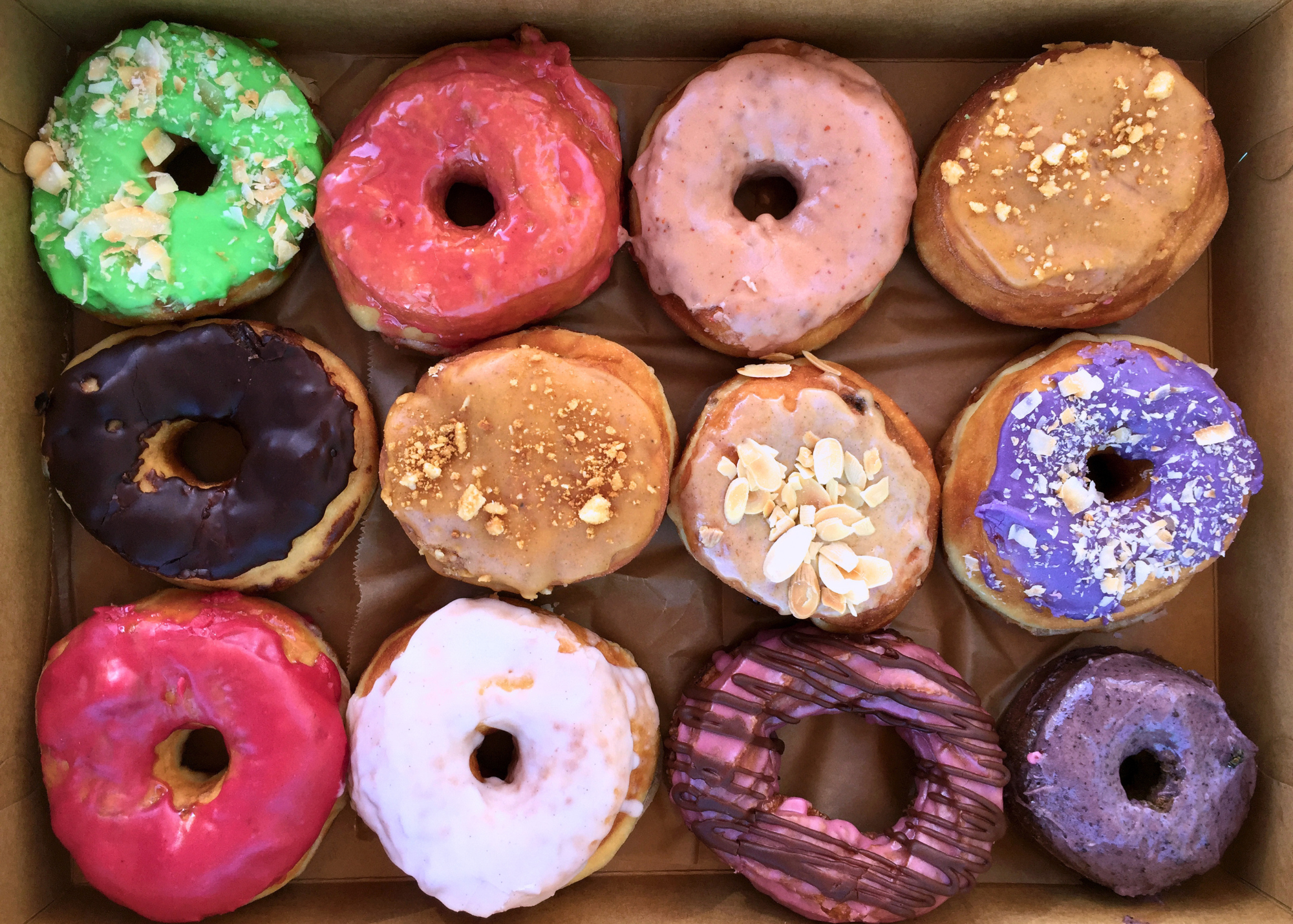
Custom bakery and snack packaging protects packaged food during shipping, keeps retail assortments organized, and supports efficient packing at production volumes. A complete packaging system combines suitable food-contact materials with outer boxes designed around product weight, dimensions, and distribution requirements.
For food brands in Portland, Seattle, and across the Pacific Northwest, packaging also needs to work across wholesale deliveries, retail shelves, and e-commerce orders. A box that looks good on a sample table still has to earn its place on the packing line.
What Packaging Works Best for Baked Goods and Snacks?
The best packaging for baked goods and snacks combines product-appropriate inner packaging with a protective outer structure. Bags, wrappers, or liners address direct food contact and freshness requirements. Custom corrugated boxes, inserts, and dividers provide support during handling and shipping.
Each component serves a different purpose:
- Custom corrugated shipping boxes hold packaged products during wholesale distribution and parcel shipping.
- Custom inserts and dividers separate fragile items and limit movement inside the box.
- Rigid set-up boxes create an organized presentation for wrapped bakery assortments, premium snacks, and seasonal gift collections.
- Food-contact bags, wraps, and liners separate food from outer packaging and address the product’s specific contact requirements.
A case of bagged granola and a gift assortment of decorated cookies need different packaging structures. Product weight, fragility, and packing method should guide the design.
How Do Custom Corrugated Boxes Protect Bakery Products?
Custom corrugated boxes protect packaged bakery products by providing stacking strength and controlling movement during distribution. Box dimensions, board selection, and interior supports should match the packed product and its shipping conditions.
Loose space allows retail packages to shift. A tight fit can compress cartons, damage trays, or slow down loading. Inserts and dividers can hold individual units in position without relying on handfuls of loose packing material.
Consider a wholesale cookie order with several retail cartons in each shipping case. The outer box needs to accommodate the full case count, support stacking, and allow employees to load cartons consistently. Those requirements should be settled before the artwork.
The same review applies to snack subscription boxes and mixed-product shipments. Heavier items need placement that protects lighter, more fragile products.
What Makes Packaging Suitable for Food Contact?
Food-contact packaging must use materials suitable for the specific food and intended conditions of use. Paper, coatings, adhesives, and other components all matter. A general “food safe” description does not establish suitability for every application.
Start by identifying what touches the food. An unwrapped pastry resting directly on a tray presents a different application from a sealed snack pouch inside a corrugated shipping case.
Provide the packaging supplier with:
- The food type and any grease or moisture exposure.
- Direct-contact surfaces and existing inner packaging.
- Packing and storage temperatures.
- Expected duration of food contact.
- Any relevant customer or retailer specifications.
Request documentation for the proposed use before approving materials. Keep food-contact requirements part of the initial packaging brief, alongside dimensions and order quantities.
Can a Cardboard Box Keep Snacks Fresh?
An ordinary cardboard box does not provide the sealed moisture or oxygen barrier required by many snack products. Freshness depends on the inner packaging, closure, product characteristics, and storage conditions.
The outer box supports that system. It should protect sealed bags, trays, or wrappers without crushing their contents or placing stress on closures.
Crisp crackers, soft cookies, and freshly baked pastries have different packaging needs. Shelf-life evaluation should use the actual product and complete packaging configuration. A stronger shipping box alone cannot establish a longer shelf life.
How Can Food Brands Reduce Packaging Waste?
Food brands can reduce packaging waste through appropriate box sizing, practical material choices, and fewer unnecessary components. Product protection remains part of that calculation. A lighter package that allows damage can create more waste elsewhere.
Start with the packed dimensions. Excess space can increase the need for filler and take up valuable storage room. Review inserts, decorative layers, coatings, and windows for their contribution to the finished package.
Environmental claims should describe verified attributes. Recycled content, recyclability, and compostability are different claims, and each needs support. Disposal instructions should reflect the complete package and the collection options available to customers.
Specific information gives buyers something useful. Broad language such as “planet-friendly packaging” leaves too much unexplained.
What Should Brands Plan Before Ordering Food Packaging in Bulk?
Bulk food packaging orders need a repeatable specification, realistic usage estimates, and a reorder plan tied to production. The structure must work across hundreds or thousands of packed units.
A useful packaging brief includes product dimensions, packed weight, units per case, order quantity, shipping method, and storage conditions. Add details about packing equipment, manual assembly, and available space for unused boxes.
Seasonal programs deserve particular attention. A bakery may use one box structure across several assortments, with artwork or inserts changing between runs. Establishing those requirements early can simplify purchasing and packing.
Review a physical sample with the actual product. Check fit, loading, closure, and unpacking. Shipping trials should reflect the route the finished order will take.
Where Can Pacific Northwest Brands Source Custom Food Packaging?
Northwest Paper Box manufactures custom corrugated boxes, rigid set-up boxes, and inserts in Camas, Washington. We work with brands in Portland, Seattle, and throughout Oregon, Washington, and Northern California on custom packaging projects.
Bakery and snack packaging starts with the product and the production schedule. Wholesale case counts, e-commerce shipments, retail presentation, and repeat orders all belong in the same conversation.
Request custom bakery and snack packaging to discuss your product, quantities, and distribution requirements with Northwest Paper Box.
Frequently Asked Questions About Bakery and Snack Packaging
Can rigid set-up boxes be used for bakery gifts?
Rigid set-up boxes can hold wrapped baked goods and packaged snack assortments. Inserts help organize the contents. Any surface intended to touch unwrapped food requires a separate review for that application.
Do wholesale bakery boxes need inserts?
Inserts are useful for fragile products, mixed assortments, and packages that move inside the outer box. The need depends on product fit, case arrangement, and shipping conditions.
Can one box serve wholesale and e-commerce orders?
One structure may suit both channels, but it should be evaluated for each. Wholesale cases and individual parcel shipments can have different packing, handling, and protection requirements.